
Calibrating Care to the Individual
As Massachusetts considers the future of public guardianship, a question that has become increasingly important is the place of guardianship in our complex, expensive, constantly changing health care systems.
We recognize that the role of a guardian is understood differently in different contexts, including the delivery of medical care. In this issue, we posit a fundamental distinction between guardianship as decision-making and guardianship as relationship.
Obviously, every appointment includes both elements, but there can be sharp differences in emphasis that produce quite different outcomes for the individuals involved. We hope to begin exploring why the fiduciary role is viewed so differently in different circumstances.
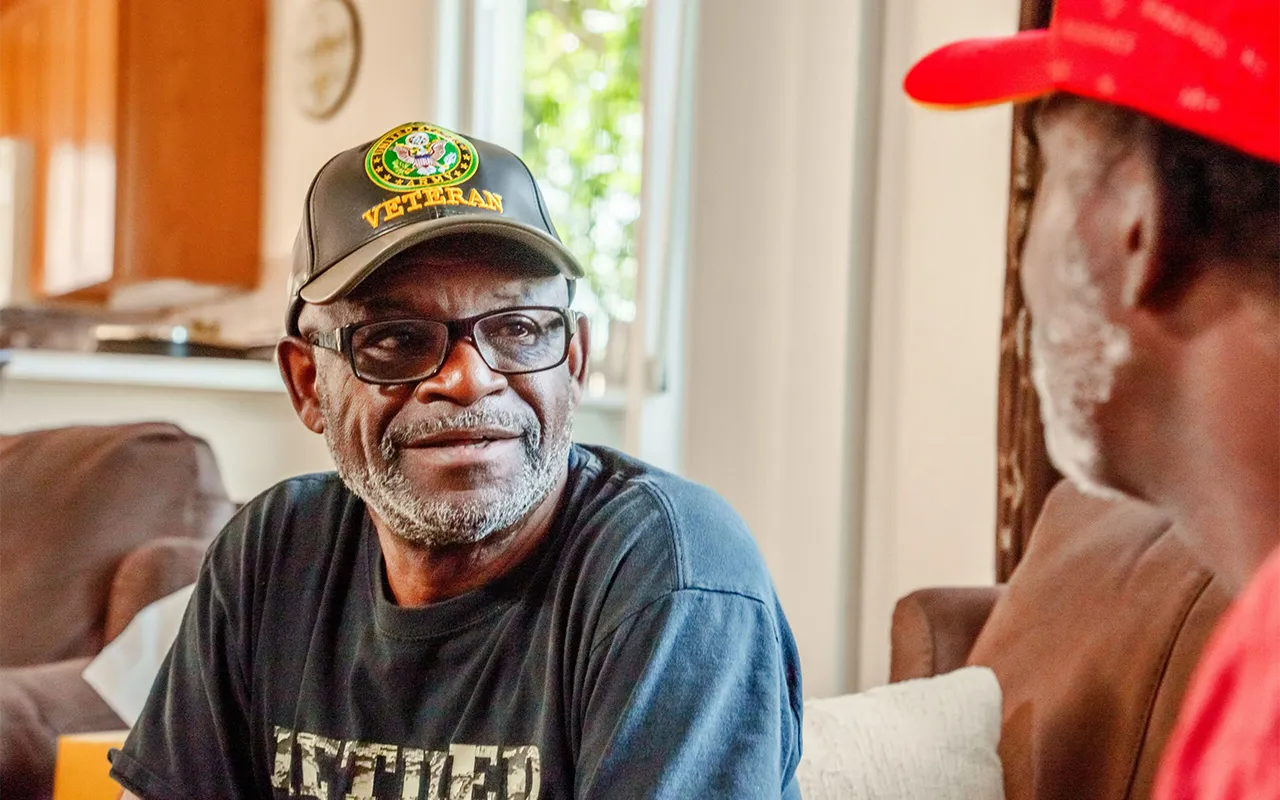
New Federal Plan May Expand Guardianship for Vulnerable Veterans
The federal government has announced a new effort that could expand the use of guardianship for veterans who are unable to make their own health care decisions and have no family or legal support.
Under the proposal, officials at the Department of Veterans Affairs would be able to initiate guardianship proceedings in state courts, where judges would determine whether a third-party guardian should be appointed to make decisions about medical care, housing, and other aspects of daily life.
Supporters say the effort could help connect vulnerable veterans to needed care while critics warn that guardianship should remain a last resort. The proposal is part of a broader debate over how systems respond when veterans are struggling with homeless, mental illness, or complex medical needs.

Massachusetts Releases Report on Oversight Office
After four years of federal funding through the Elder Justice Innovation Grant, the Massachusetts Probate and Family Court has released its final public report on the creation of the Office of Adult Guardianship and Conservatorship Oversight (OAGCO).
The grant was used to establish centralized monitoring of reporting by guardians and conservators in Massachusetts. The office has also launched a public Ombudsperson Service Program, developed educational modules for guardians, and set goals for increasing the use of limited guardianships and restoration of rights.
The report reflects a significant structural step toward improved oversight, transparency, and accountability in the Commonwealth’s guardianship system.

Massachusetts Guardianship Backlog Strains Hospital Capacity
A February NBC Boston report highlights how guardianship delays are prolonging hospital stays across Massachusetts. Medically cleared patients remain in acute-care beds awaiting guardian appointments, increasing strain on hospital capacity.
ABA Reviews Rules Representing Incapacitated Clients
The American Bar Association is reviewing proposed revisions to Model Rule 1.14, which governs representation of clients with decision-making limitations. The changes modernize terminology and emphasize supported decision-making and less restrictive alternatives.
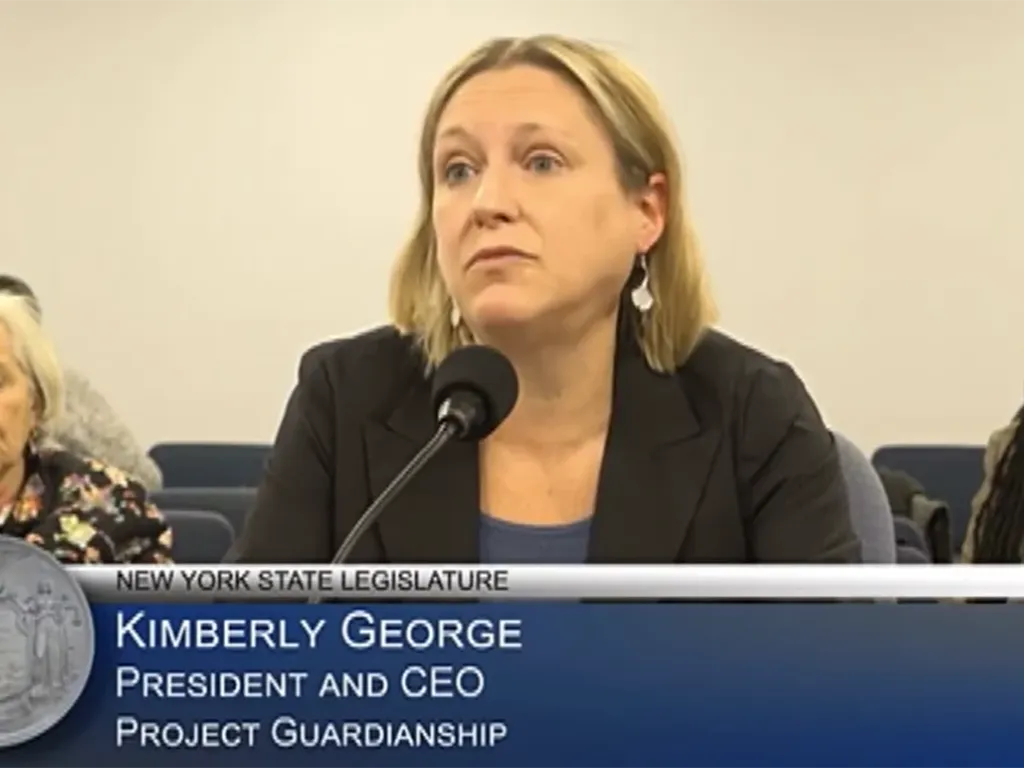
Shortage of Guardianship Capacity Raises Alarm in NY
At a recent New York State Assembly hearing on Adult Protective Services and elder financial exploitation, Kimberly George, President and CEO of Project Guardianship, highlighted a challenge familiar across states: courts lack sufficient qualified guardians to appoint.

Meet the Staff: Spotlight on Heather L. Connors, Ph.D.
A conversation about dignity, accountability, and the evolving role of guardianship.
Through decades of research, fieldwork, and time spent on the frontlines of guardianship, Heather L. Connors, Ph.D. always returns to the same truth: the people who step in for the most vulnerable care deeply.

Meet the Clients:
Jack's Story
After years of homelessness, addiction, and illness, Jack's story proves how persistence and the right support can open the door to stability.
Jack's life began with the kind of trauma that can make or break a person. At just 12 years old, his father shot his mother before turning the gun on himself.

Meet Dignity Alliance Massachusetts
Dignity Alliance Massachusetts is a statewide coalition advocating for the dignity, autonomy, and rights of older adults and people with disabilities. The organization brings together advocates, caregivers, policy experts, and community members to improve long-term care systems and expand supports that help people remain safely connected to their communities.