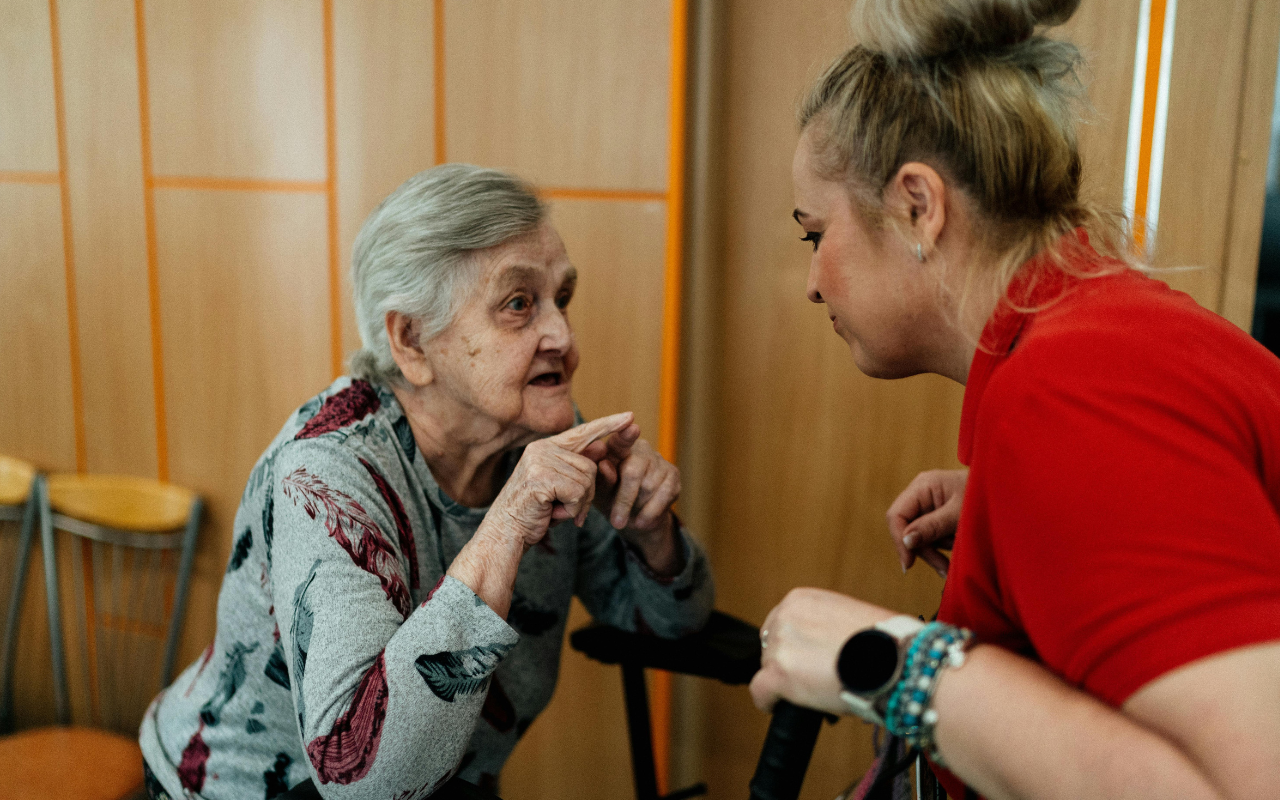
The Decisions-Only Model: Guardians as Decision Makers
By Peter M. Macy, JD, EdM. Peter is a founding member of the Massachusetts Guardianship Policy Institute and Executive Director of Public Guardian Services
This issue’s feature continues the discussion of models of guardianship that was introduced in Vol. 2 (March, 2026) of Beyond Guardianship. The focus in our March issue was on the “social work” model. This month’s discussion focuses on less-intensive guardianships, in which the guardian’s contact and involvement in the affairs of the individual can be significantly reduced, as compared to the social work model. We speak of “types” of guardianship for purposes of this kind of analysis, but it may be more accurate to think in terms of a spectrum of norms. The social-work model is at one end of the spectrum. At the other end is the “decisions-only” model.
Federal Veterans Guardianship Initiative Draws Scrutiny
In our last issue, we shared news of a federal initiative allowing the Department of Justice and the Department of Veterans Affairs to initiate guardianship proceedings for veterans lacking decision-making capacity and support, including many experiencing homelessness.
As more details emerge, concerns are growing about how this would work in practice and who ultimately benefits. Critics have raised concerns that the initiative could expand the institutionalization of vulnerable veterans through guardianship rather than investing in the housing, mental health care, and person-centered support systems many veterans need.
We spoke with Charles P. Golbert, head of the Cook County Public Guardian's Office, who offered his perspective on what this could mean on the ground:
A Break From How Guardianship Typically Works
- “Guardianship has always been a uniquely state function,” Golbert noted, raising concerns about federal involvement in a process traditionally handled at the local level.
Limited Capacity and Expertise to Carry It Out
- Guardianship requires specialized legal and social service expertise. Golbert noted that those tasked with initiating these cases may lack that background, while existing systems are already stretched thin.
A Mismatch Between the Plan and the Population
- While guardianship can play an important role in supporting vulnerable individuals, Golbert raised concerns about using it as a broad response to homelessness and mental health challenges. He questioned “how much… a guardian is really able to do,” noting that in some cases it can become “a big intrusion on their civil rights… without the benefit guardianship is meant to provide.” With guardianship programs already under heavy strain, critics worry the initiative could institutionalize vulnerable veterans without the person-centered support guardianship is intended to provide.

Budget Amendments Filed to Support Public Guardian Services
Thanks to the advocacy efforts of Senator Joan Lovely and Representative Sally Kerans, both Senate and House budget amendments have been filed to provide $200,000 in direct funding to Public Guardian Services in Braintree, MA, supporting guardianship services for the “unbefriended” population. We thank both legislators for their support of guardianship reform efforts in Massachusetts.
Nevada Launches Real-Time Guardianship Oversight Portal
Nevada courts have introduced a new digital portal to improve real-time oversight of guardianships. The system allows courts and guardians to track key information about a protected person's care and finances and to flag potential concerns. The portal aims to increase transparency, accountability, and responsiveness in long-term cases.

Pennsylvania Expands Digital Oversight Through Tracking System
Pennsylvania's Guardianship Tracking System allows guardians to file required reports online while helping courts monitor cases more effectively. With automated reminders and tools to flag late or incomplete filings, the system is designed to strengthen oversight and support more consistent monitoring of guardianship responsibilities.

Institute Leaders to Present Keynote at NASW-MA Conference
On June 11th, Institute leaders Wynn Gerhard, Esq. and Dr. Heather Connors will present the keynote workshop, Liberty, Justice & The Aging or Disabled Adult, at the NASW-MA Advocating for Older Adults & People with Disabilities Conference.
Their presentation will explore guardianship in Massachusetts, least-restrictive alternatives, and person-centered decision-making for vulnerable adults. The virtual conference will also feature workshops on advocacy, public benefits, aging, disability rights, and ethical care practices.
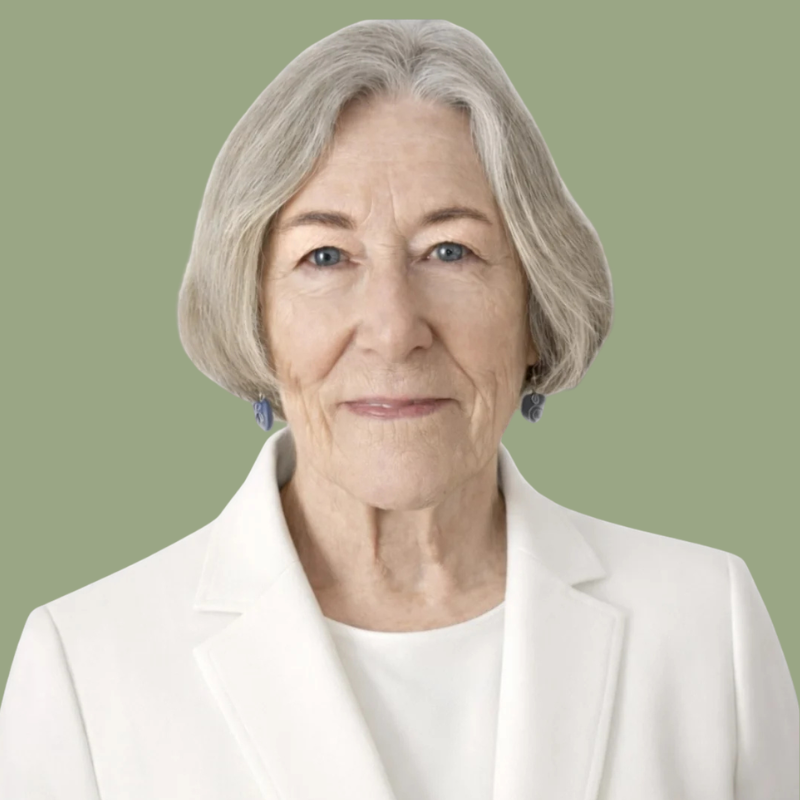
Meet the Staff: Wynn A. Gerhard, Esq.
How decades of persistence helped reshape guardianship in Massachusetts
With more than three decades in the field and an illustrious history of sparking change, Wynn A. Gerhard, Esq. has built a steadfast career fighting for the most vulnerable among us.

Meet the Clients:
Lynn's Story
Though she entered the system alone, Lynn's story became one of connection, love, and a firecracker spirit that refused to dim.
Lynn’s story begins the way too many do, without clarity and without anyone to speak for her.
She was found alone, confused, and disoriented outside of a hospital, with no clear record of who she was or where she had come from.